Comprehensive Learning Through Play and Discovery
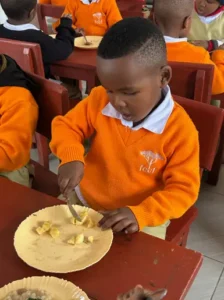
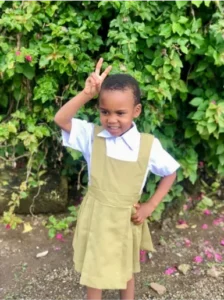
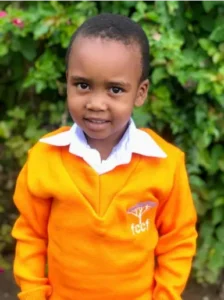
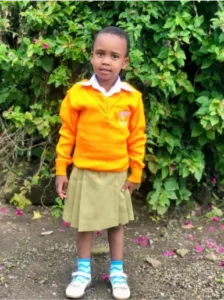
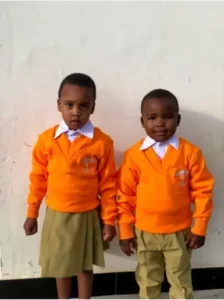
Our foundation supports a vibrant early childhood education program at our partner school in Tanzania, where young learners aged 3-5 engage in developmentally appropriate activities that foster growth across all domains. Through a carefully structured curriculum and play-based learning approach, we’re giving Tanzanian children the strong educational foundation they deserve.
Our Early Childhood Curriculum
Gross Motor Development and Physical Activity
Physical development is essential for young learners. Our program includes energetic activities that help children develop coordination, strength, and social skills:
Outdoor Games and Activities
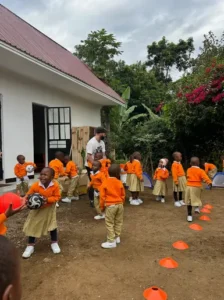
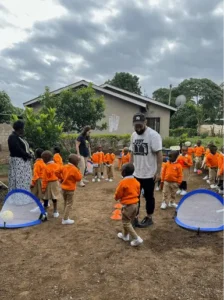
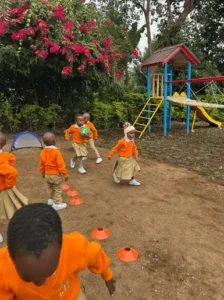
- Classic movement games including Red Light Green Light and Tag that teach listening skills and body control
- Football (soccer) practice—a beloved activity among African children that builds teamwork and athletic ability
- Ball play activities that develop hand-eye coordination
- Jump rope exercises that enhance rhythm and cardiovascular health
- Interactive movement challenges like “If you’re wearing blue, do jumping jacks” that combine colors, listening, and physical activity
Equipment Needs
- Our program requires soccer balls, ball pumps, and jump ropes to ensure every child can participate in daily physical education. These simple tools make an enormous difference in children’s health and happiness.
Learning Centers: Hands-On Discovery
Our classroom features dedicated learning centers where children explore, create, and develop critical skills through independent and small-group activities:
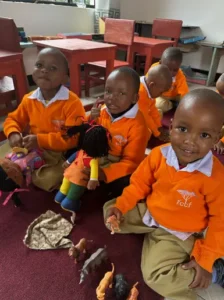
Dramatic Play Center:
Children develop social skills and imagination through dress-up clothes, play kitchens, and baby dolls, acting out real-world scenarios and cultural traditions.
Sensory Exploration:
Includes visual building guides showing structures children can create, promoting spatial awareness and problem-solving.
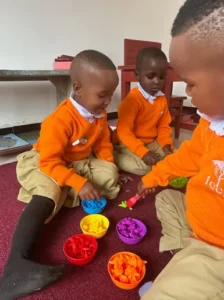
Sensory Exploration:
Includes visual building guides showing structures children can create, promoting spatial awareness and problem-solving.
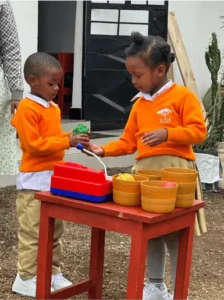
Science and Discovery Center:
A mystery box filled with interesting objects to touch and explore, along with magnifying glasses, sparks curiosity and scientific thinking. Children learn through sensory exploration and observation.
Manipulatives and Table Toys:
- Building blocks and magnetic toys for spatial reasoning
- LEGO sets with visual building guides
- Life skill baseboards featuring buttons, zippers, snaps, and shoelaces for fine motor practice
- Animal figurines, farm sets, and people figures for imaginative play
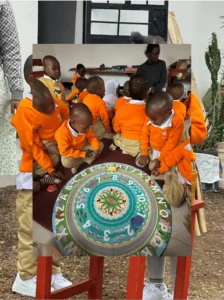
Manipulatives and Table Toys:
- Building blocks and magnetic toys for spatial reasoning
- LEGO sets with visual building guides
- Life skill baseboards featuring buttons, zippers, snaps, and shoelaces for fine motor practice
- Animal figurines, farm sets, and people figures for imaginative play
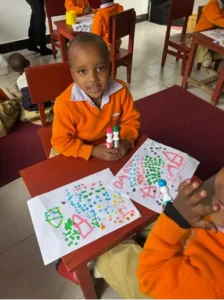
Art Center:
Fully stocked with markers, crayons, construction paper, stamps, dot paint, coloring pages, and scrap materials, this center allows children to express creativity and develop fine motor control.
Building Block Area:
Includes visual building guides showing structures children can create, promoting spatial awareness and problem-solving.
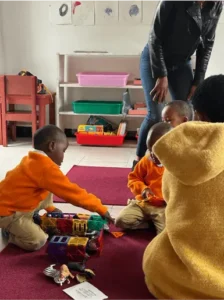
Building Block Area:
Includes visual building guides showing structures children can create, promoting spatial awareness and problem-solving.
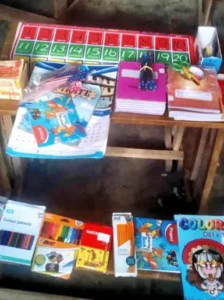
Library Corner:
Fully stocked with markers, crayons, construction paper, stamps, dot paint, coloring pages, and scrap materials, this center allows children to express creativity and develop fine motor control.
Creative Curriculum Units
Our year-long curriculum follows themed units that make learning meaningful and connected:
The First Six Weeks: Building Community
Children create self-portraits, share family photos for our family wall, and establish relationships that create a safe, nurturing classroom environment.
Thematic Learning Units:
- Balls: Exploring shapes, movement, and sports
- Trees: Growing plants and learning about nature
- Clothes: Understanding fabrics and creating imaginative projects like box washing machines
- Reduce, Reuse, Recycle: Environmental awareness through creative reuse of materials
- Buildings: Architecture and construction exploration
- Wheels: How things move and work
- Exercise: Health and wellness
- Water: Its properties and importance to life
Literacy Foundation with Heggerty Curriculum
We implement the research-based Heggerty phonemic awareness curriculum, teaching essential pre-reading skills:
- Rhyming recognition and creation
- Identifying first and last sounds in words
- Syllable counting and segmentation
- Understanding sentence structure
These skills form the critical foundation for reading success in primary school.
A Day in Our 3K Classroom
Our structured yet flexible daily schedule ensures children receive balanced instruction:
Morning Routine:
- Handwashing and healthy breakfast
- Choice time with table toys and blocks
- Art, music, learning centers, and Spanish class
Morning Meeting: Our culturally responsive morning meeting features songs in Swahili, including:
- Traditional greetings: “Good morning, how are you, I’m fine, fine and I hope that you are fine too”
- Days of the week
- Calendar practice
- Weather observation
Midday:
- Nutritious lunch
- Rest time for young learners
- Afternoon snack
Afternoon Activities:
- Outdoor play or indoor recess (Brain Break videos when weather doesn’t permit outdoor time)
- Extended center time for deep engagement
- Dismissal
Movement and Music Integration – Physical activity is woven throughout the day with beloved movement songs:
- Head, Shoulders, Knees and Toes
- If You’re Happy and You Know It
- Hokey Pokey
- Traditional Swahili songs from our music teacher
Creative Art Projects: Children create meaningful art using locally available materials:
- Nature collages featuring leaves, sticks, and cotton balls
- Clay animal sculptures
- Mystery box sensory art projects
Hands-On Cooking Experiences: Our cooking class teaches math, following directions, and healthy eating:
- Ants on a Log: Crunchy vegetables like carrots or celery with peanut butter and raisins or chocolate chips
- 100 Snack Mix: Counting practice with 10 cheerios, 10 chocolate chips, and other items
Educational Approach: Montessori-like
Education is an important component for Tanzania as they continue to develop. Education has a crucial role to play in achieving sustainable development in Tanzania. The objectives of primary education should provide the learner with opportunities to acquire literacy, numeracy, creativity and communication skills.
8 out of 10 children go to school in Tanzania, according to a UNESCO statistic only 58 % who are enrolled finish primary school and 34% finish secondary school. 64 million live in TZ – 14 million below the poverty line.
Education creates economic growth, community pride and empowerment.
Our primary teacher, Ruth is a graduate of the Montessori Teachers Training College MTTC in Mwanza TZ.
The 4 C’s of Montessori:
- critical thinking
- collaboration
- creativity
- communication
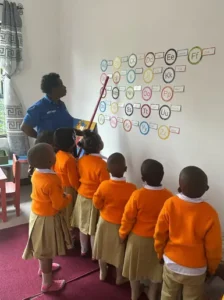
Education is an important component for Tanzania as they continue to develop. Education has a crucial role to play in achieving sustainable development in Tanzania. The objectives of primary education should provide the learner with opportunities to acquire literacy, numeracy, creativity and communication skills.
8 out of 10 children go to school in Tanzania, according to a UNESCO statistic only 58 % who are enrolled finish primary school and 34% finish secondary school. 64 million live in TZ – 14 million below the poverty line.
Education creates economic growth, community pride and empowerment.
Our primary teacher, Ruth is a graduate of the Montessori Teachers Training College MTTC in Mwanza TZ.
The 4 C’s of Montessori:
- critical thinking
- collaboration
- creativity
- communication
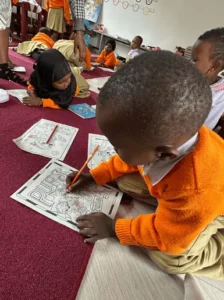
Children “work” for the joy of working and the sense of discovery. The Montessori environment provides a natural sense of discipline. Everything in the room has a specific place on the shelf. Children are orderly by nature and like the room set up this way. Through a well ordered, enriched, but simplified environment, the child’s need for order and security is intensely satisfied thereby forming a calming effect for the child. The children “work with materials” rather than play with toys which sets up the framework of the school day. An “I can do it attitude” is strongly encouraged. Montessori is known for mixing an age span of three years within the classroom to foster a sense of community. Mixed age groups help to eliminate competition and aid in building self esteem. Montessori is a child centered environment. The tables and chairs are small enough for them to sit comfortably and signs and decorations are hung at eye level for them.
Our Impact
Through play-based, culturally responsive early childhood education, we’re preparing Tanzania’s youngest learners for academic success while honoring their culture and community. Our comprehensive approach develops the whole child—physically, cognitively, socially, and emotionally.
Join us in transforming early childhood education in Tanzania. Together, we’re building brighter futures, one child at a time.